
Editor's Note: With chagrin, I must remark that our slowly progressing study of Isaiah 53 might be the longest running series in blogging history. This particular post has been 15 months in the making! I hope it was worth the wait. The challenges contained in this verse led to the recent series of posts on the extent of the atonement, which had to be sorted through before this post could be finished. May you be blessed by the encouragements given through Isaiah in his astoundingly deep words about the work of Christ in our behalf.
But He was pierced
This verse is a response to the preceding phrase: "we esteemed him stricken, smitten by God, and afflicted" (Isaiah 53:4b). It answers the questions, "Why was He so afflicted, grieved and sorrowful?" and, "Why would God treat Him this way?" The reasons are clear: because we sinned, and in order to restore us.
Here Isaiah brings the substitutionary and representative aspects of Christ's work into focus. As substitute, Christ stands in the place of the condemned sinner and receives the full outpouring of God's wrath. Yet He stands also in the place of the redeemed sinner and represents that sinner in the corrective judgments that will bring full restoration. As the believer's substitute, Christ closes the door on wrath. As his representative, He opens the blessed way into God's discipline - the way of sonship.
He was crushed for our iniquities;
Pierced Through - Heb. HHALAL, חָלַל = to wound (fatally), bore through, pierce, bore. The word can also have the meaning: to profane, defile, pollute, desecrate
In the literal sense, Christ was "pierced" 5 times; in each hand, in each foot, and then in His side. In the figurative sense, God allowed him to be defiled by our sin. Sin defiles the soul, piercing and killing it.
Crushed - Heb. DAKA, דָּכָא = to crush, be crushed, be contrite, be broken
 Though our Lord experienced the most intense physical pain, He was not crushed physically. In fact, He was preserved from the breaking of bones (Exodus 12:46; Numbers 9:12; Psalm 34:20). He was spiritually broken, crushed and made contrite by the bearing of our sins. The weight and pressure of them was hideously oppressive to His soul.
Here He is treated as an enemy, and not as a son. "Piercing" and "crushing" describe the furious destruction that would be meted out upon one's adversary. One pierces and crushes his foe, not his child. Thus, Christ represented the enemies of God and experienced the kind of destruction they are due: the terror of having to bear their own iniquity and its destructive results.
The chastening for our well-being fell upon Him, And by His scourging we are healed.
Chastening - Heb. MUSAR מוּסָר = discipline, chastening, correction. "Essentially, it is a bond, a checking, restraint, i.e., correction which results in education." (Zodhiates)
Well-being - Heb. SHALOM שָׁלוֹם = completeness, soundness, welfare, peace. ". . . Shalom is a harmonious state of soul and mind, both externally and internally. . . . Though shalom can mean the absence of strife, it usually is much more. It expresses completeness, harmony, and fulfillment." (Zodhiates)
Scourging - Heb. HHABURAH חַבּוּרָה = bruise, stripe, wound, blow
Proverbs 20:30 Blows that wound cleanse away evil; strokes make clean the innermost parts.
Healed - Heb. RAPHA רָפָא = to heal, make healthful
Here Isaiah brings the substitutionary and representative aspects of Christ's work into focus. As substitute, Christ stands in the place of the condemned sinner and receives the full outpouring of God's wrath. Yet He stands also in the place of the redeemed sinner and represents that sinner in the corrective judgments that will bring full restoration. As the believer's substitute, Christ closes the door on wrath. As his representative, He opens the blessed way into God's discipline - the way of sonship.
First he endures wrath so that we can escape from it, then He experiences divine discipline so we can embrace it. There is the wrath which we deserve but haven't yet received, and then there is the discipline we need but can't receive without first being accepted as sons. Christ suffers the one substitutionally so that we can't suffer it, and the other representatively so that we may join Him in it.
The Substitutionary Suffering of Christ
The verse divides neatly into two halves, indicating substitutionary atonement first, and then representative suffering. As our substitute, Christ suffered in our stead - so that the sting of sin and death is now removed. Thus, as believers, we can never experience what He experienced there. We could have, and should have, but by God's grace we never will. This is the message of the first half of the verse:
But He was pierced through for our transgressions,
Pierced Through - Heb. HHALAL, חָלַל = to wound (fatally), bore through, pierce, bore. The word can also have the meaning: to profane, defile, pollute, desecrate
In the literal sense, Christ was "pierced" 5 times; in each hand, in each foot, and then in His side. In the figurative sense, God allowed him to be defiled by our sin. Sin defiles the soul, piercing and killing it.
Crushed - Heb. DAKA, דָּכָא = to crush, be crushed, be contrite, be broken
 Though our Lord experienced the most intense physical pain, He was not crushed physically. In fact, He was preserved from the breaking of bones (Exodus 12:46; Numbers 9:12; Psalm 34:20). He was spiritually broken, crushed and made contrite by the bearing of our sins. The weight and pressure of them was hideously oppressive to His soul.
Here He is treated as an enemy, and not as a son. "Piercing" and "crushing" describe the furious destruction that would be meted out upon one's adversary. One pierces and crushes his foe, not his child. Thus, Christ represented the enemies of God and experienced the kind of destruction they are due: the terror of having to bear their own iniquity and its destructive results.
The Representative Suffering of Christ
As our representative - our brother - Christ suffered with us. In the first half of the verse, he accomplished what was needed to justify us. But in the second half he brings about our much needed sanctification. In this sense He not only suffers for us, but also with us, and in order that we may suffer with Him. He thus provides the ground by which we can be accepted, not merely as sinners justified through a gifted righteousness, but also as sons sanctified through experiential identification with THE SON. This is the message of the second half of the verse:
Chastening - Heb. MUSAR מוּסָר = discipline, chastening, correction. "Essentially, it is a bond, a checking, restraint, i.e., correction which results in education." (Zodhiates)
Well-being - Heb. SHALOM שָׁלוֹם = completeness, soundness, welfare, peace. ". . . Shalom is a harmonious state of soul and mind, both externally and internally. . . . Though shalom can mean the absence of strife, it usually is much more. It expresses completeness, harmony, and fulfillment." (Zodhiates)
Scourging - Heb. HHABURAH חַבּוּרָה = bruise, stripe, wound, blow
Proverbs 20:30 Blows that wound cleanse away evil; strokes make clean the innermost parts.
Healed - Heb. RAPHA רָפָא = to heal, make healthful
In the second half of the verse, He suffers the corrective discipline which would be administered to a beloved but disobedient son. "Chastening" and "scourging" describe the discipline a Father administers to his erring child. Christ was standing in our place, no longer as rebellious sinners deserving wrath, but as justified sons needing the Father's discipline. He suffers this discipline not so that we can avoid it, but so that we can enter into it with Him.

In the first part of the verse, He suffered for the sin of the whole world. In the second, He suffered for the benefit of those who are redeemed and brought to sonship through His suffering. As He suffered the fullness of divine wrath for the sin of the world, so He suffered the fullness of divine discipline for the sins of the believer.
Thus we find God, in the process of making atonement, already responding to the anticipated effects of the atonement.
We now share in Christ's sufferings. We take up our crosses and follow Him. Christian suffering and sanctification in the New Testament are framed as a participation in the sufferings of Christ, and a sharing in the cross.
Matthew 16:24 Then Jesus said to His disciples, "If anyone wishes to come after Me, he must deny himself, and take up his cross and follow Me."The first half of Isaiah 53:5 showed us our culpability as sinners under God's wrath. The second half speaks of our well being as God's redeemed children. Contained in every line, and forming the link between these two concepts, is the suffering of Christ in behalf of sinners. His suffering accomplishes our justification and empowers our sanctification.
Luke 9:23 And He was saying to them all, "If anyone wishes to come after Me, he must deny himself, and take up his cross daily and follow Me."
Luke 14:27 "Whoever does not carry his own cross and come after Me cannot be My disciple.
I Peter 2:24 and He Himself bore our sins in His body on the cross, so that we might die to sin and live to righteousness; for by His wounds you were healed.
I Peter 4:1-2 Therefore, since Christ has suffered in the flesh, arm yourselves also with the same purpose, because he who has suffered in the flesh has ceased from sin, so as to live the rest of the time in the flesh no longer for the lusts of men, but for the will of God.
Romans 6:10-11 For the death that He died, He died to sin once for all; but the life that He lives, He lives to God. Even so consider yourselves to be dead to sin, but alive to God in Christ Jesus.
Colossians 1:24 Now I rejoice in my sufferings for your sake, and in my flesh I do my share on behalf of His body, which is the church, in filling up what is lacking in Christ's afflictions.


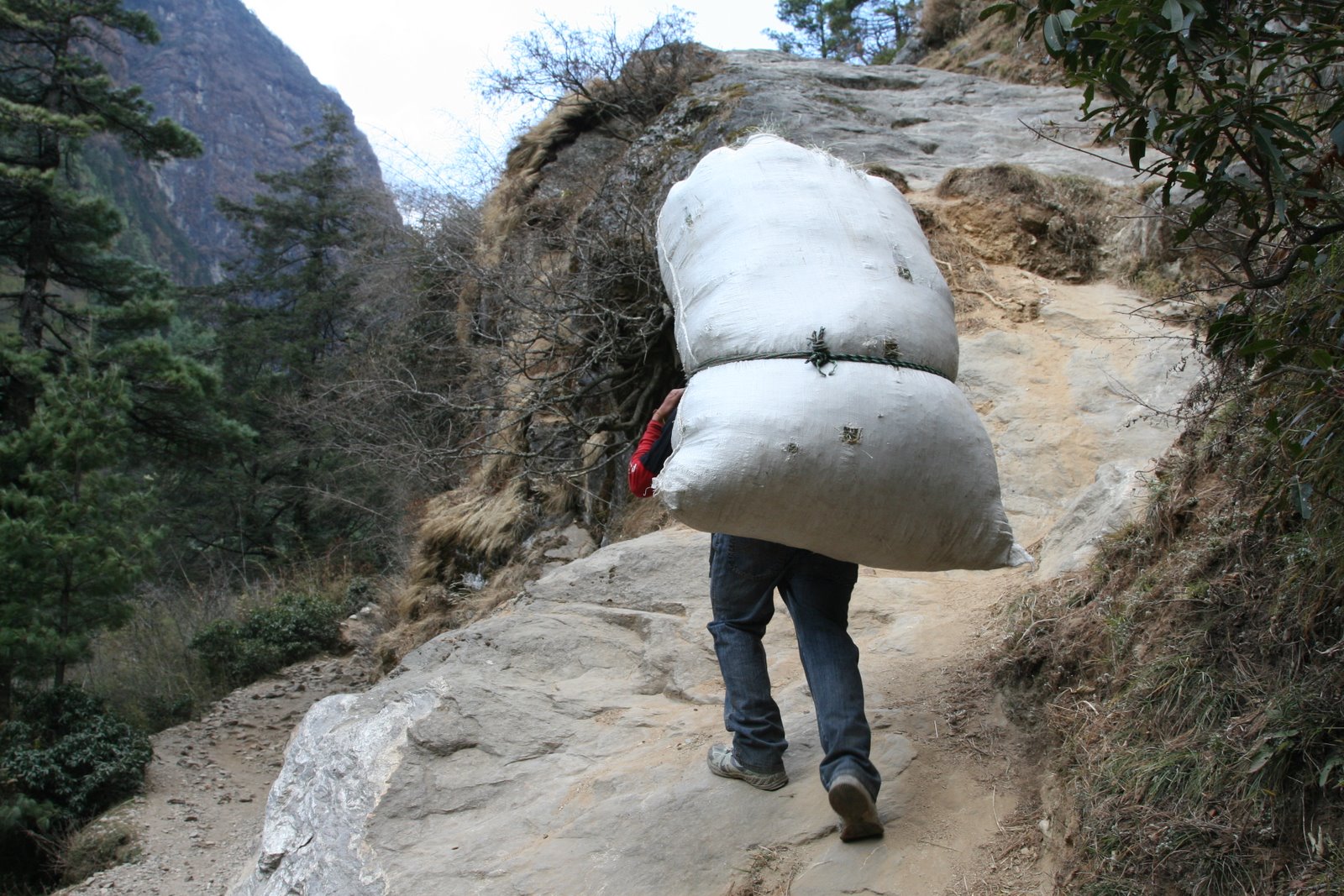

 We will NEVER - NEVER - produce godly works by fear or guilt. That was the whole idea of the law - to show us our spiritual impotency. Godly works are the fruit of abiding in the finished work of Christ. "There is forgiveness with Thee, THAT thou mayest be feared."
  There might be some confusion about the means by which fruit is manifested. It is manifested through the exercise of our faith - God will neither believe nor repent FOR us. We are means. We are vessels. For a good deed to be done it must be manifested in our words and through our actions. But we step into heresy when we attribute those deeds to our own stick-to-it-iveness. We have forgotten already Who it is that is in us to will and to do of His good pleasure. We are not admonished to work, but to work OUT our own salvation. The difference is huge. Working OUT our salvation is simply being in constant remembrance of what God has done for us. If we truly do this, then fruit is INEVITABLE. But I would never in a million years employ the term NECESSARY. It's too misleading - especially today, in a Christian environment in which people already believe that they are helping God out by choosing to believe Him. The seed of Arminianism has rotted the truth from the root. And it has grown to full blown Pelagianism in many places because people have bought the lie that God does His part and we must do ours.
 This whole concept is a hill I will die on. It disturbs me that there is a Christianity out there in which people see themselves as saved by the power of God and kept by something that they themselves do - or MUST do. Law has no place except to bring us to Christ. If there is anything we MUST do it is to believe in the One Whom He has sent - period. End of story. But that is not enough for those who would get some trace of human work in by the back door. I'll say it one more time - we are not justified by what we do, neither are we sanctified by what we do. We are justified and sanctified by what Jesus Christ did once for all in His life, death and resurrection. Our job is to walk in it by looking to those facts and believing with the faith that God works in us.
 I see that it is in the seeing, and holding to, and believing of Who Christ is and what He alone has done that the flower of good works blossoms. It is BECAUSE we believe that we HAVE BEEN SAVED (justified and set apart) that we produce fruit. The production of fruit is not to the fruit's credit, nor is it truly within the fruit's power to grow, but that of the vine or the tree.